



 The Camere di Sant’Ignazio—the Rooms of St. Ignatius—are among Rome’s most intimate places of pilgrimage. Located within the Jesuit Casa Professa beside the Church of the Gesù, the rooms preserve the memory of St. Ignatius of Loyola, founder of the Society of Jesus. He lived and worked here from 1544 until his death on July 31, 1556, directing the rapidly expanding Jesuit order from the heart of Rome.
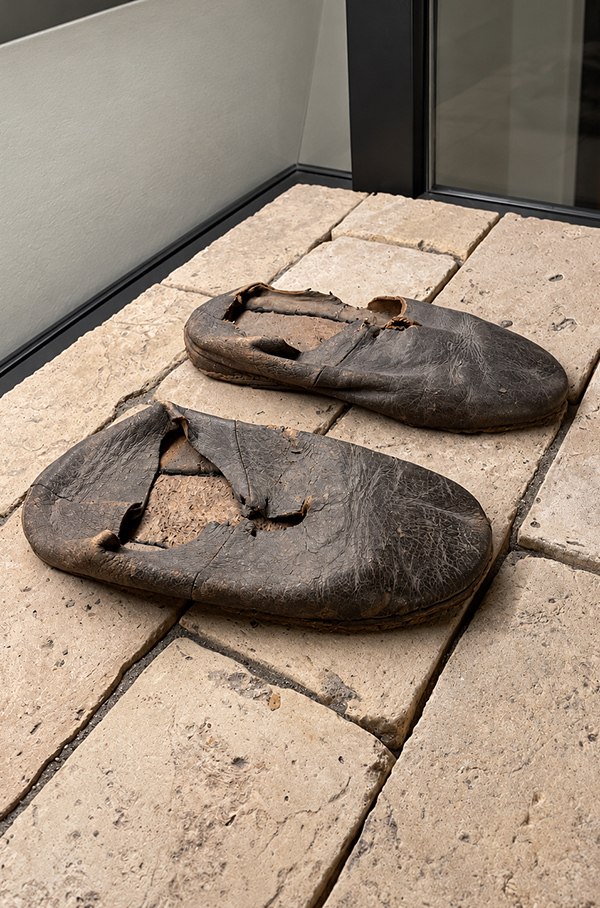
Unlike the monumental splendor of the nearby Gesù, the rooms reveal the simplicity of Ignatius’s daily life. The small suite includes his bedroom and study, now furnished with period pieces and devotional images. Personal objects traditionally associated with the saint—including garments, worn shoes, manuscripts, seals, and other possessions—bring visitors unusually close to his human presence. These humble objects are not valued merely as historical curiosities: they bear witness to a life disciplined by prayer, poverty, study, and service to the Church.
The approach to the rooms passes through an extraordinary painted corridor created by the Jesuit artist Andrea Pozzo in the late seventeenth century. Through masterful illusionistic frescoes, Pozzo transformed the narrow passage into an expansive architectural and spiritual vision. Scenes from Ignatius’s life, images of Jesuit saints, angels, and the emblem of the Holy Name of Jesus celebrate the missionary purpose of the Society he founded.
Born in the Basque Country in 1491, Ignatius began his conversion after being seriously wounded in battle. During his recovery, reading about Christ and the saints redirected his ambitions from military glory toward the service of God. His spiritual experiences eventually shaped the Spiritual Exercises, a carefully structured program of prayer, meditation, discernment, and self-examination that remains one of Catholicism’s most influential spiritual texts.
Ignatius received papal approval for the Society of Jesus in 1540. The Jesuits soon became renowned for education, missionary activity, scholarship, spiritual direction, and the defense of Catholic teaching. Ignatius was beatified in 1609 and canonized by Pope Gregory XV in 1622. His feast is celebrated on July 31, and in 1922 Pope Pius XI proclaimed him patron saint of spiritual exercises and retreats.
Catholic veneration of St. Ignatius centers on his complete dedication to God and his gift for spiritual discernment—learning to recognize the movements that lead a person toward or away from divine grace. The rooms in Rome remain a living place of prayer rather than simply a museum. Here, pilgrims encounter the quiet setting from which Ignatius guided a worldwide mission, always seeking, in the enduring Jesuit motto, to labor Ad maiorem Dei gloriam—“For the greater glory of God.”